-
Project Type | Explainer Video
Medium | 2D
Software | After Effects, Illustrator
-
Creative Direction | Rin Yokoi
Animation + Design | Kendall Gathas, Rin Yokoi
Sound Design | Kelly Warner
The Secret Language of Plants
Ringling College of Art + Design | Medium
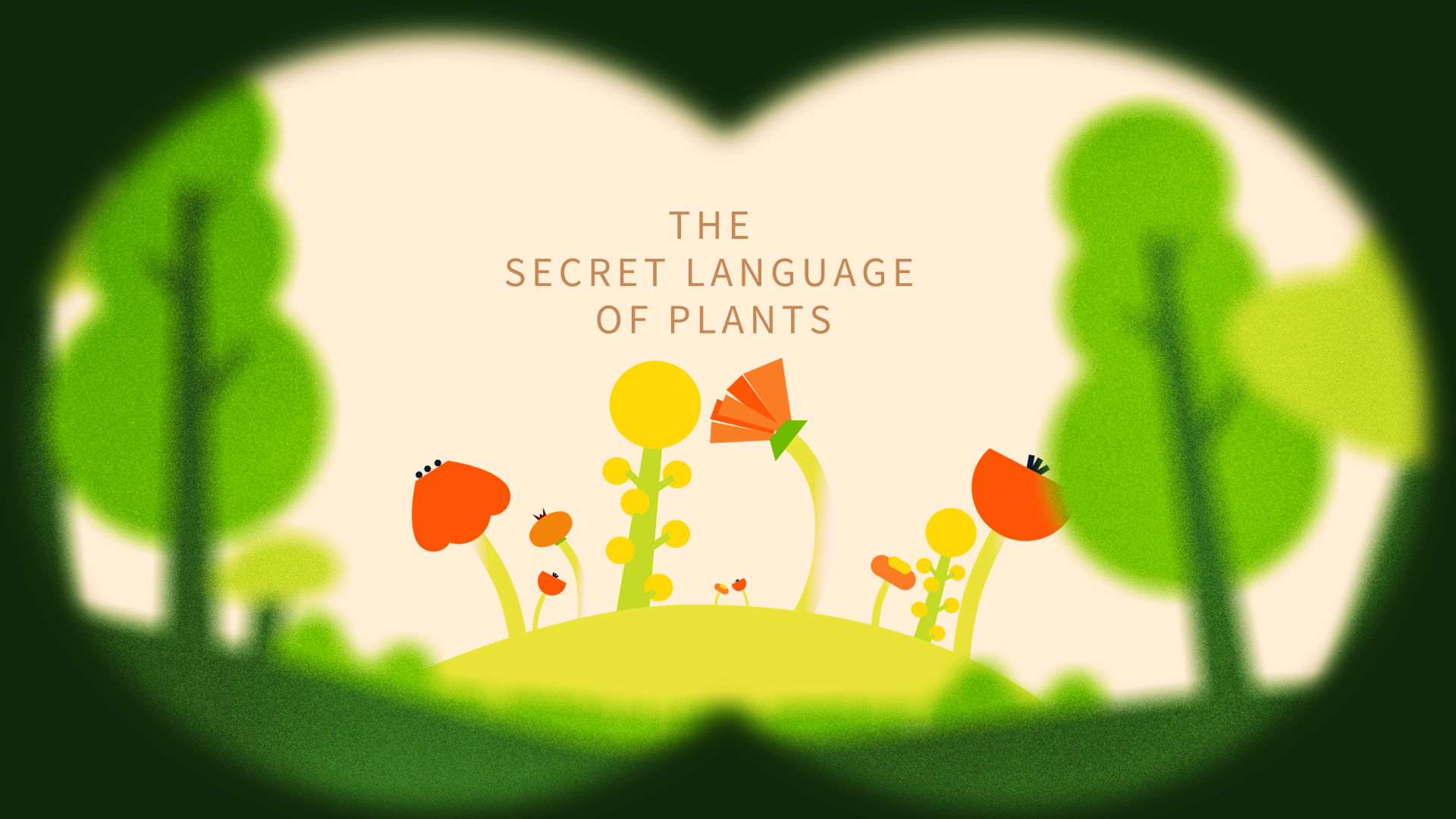
Did you know plants can talk? We didn’t, so we transformed an interesting article into a digestible video to spread the word!

ABOUT MEDIUM
“Everyone has a story to tell.”
With an educated audience seeking to further expand their own horizons, they’re on a mission to be a creative lighthouse for writers and readers in a sea of noisy, chaotic sensationalism.
AUDIENCE
Given that Medium’s readers and writers already have the mindset to seek out knowledge, they openly absorb information and have an apt interest in stories.
Visitors likely value both sophistication and playfulness, as Medium provides content for a wide range of tastes.
THE RISE OF PLANT COMMUNICATION: EXPLORING THE HIDDEN LANGUAGE OF NATURE
Original article by Ayesha Siddiqa
For a long time, people thought plants were just simple life forms without nervous systems. But recent research reveals something extraordinary- Plants can talk.
Plants can produce electric impulses in response to stimuli, similar to the nervous systems of animals. This implies that plants are aware of their surroundings and can 'decide' appropriate responses, hinting at consciousness.
Through chemical signaling, plants can alarm one another of threats. Other plants receive this warning and strengthen their defenses, like producing toxins to be less tasty to pests.
The "wood wide web" is a fascinating underground network where roots, fungi, and plants communicate and help each other. It’s about sharing nutrients and information, creating a
community that we once thought was impossible.
As we learn more about this secret language of plants, we’re discovering that the natural world is far more connected and intelligent than we’ve ever imagined.
When we observe the world at the macro level, even the most complex things reveal themselves as patterns, including forms of communication. Our design language highlighted these structures through close-ups and simple geometry.


KEY ART